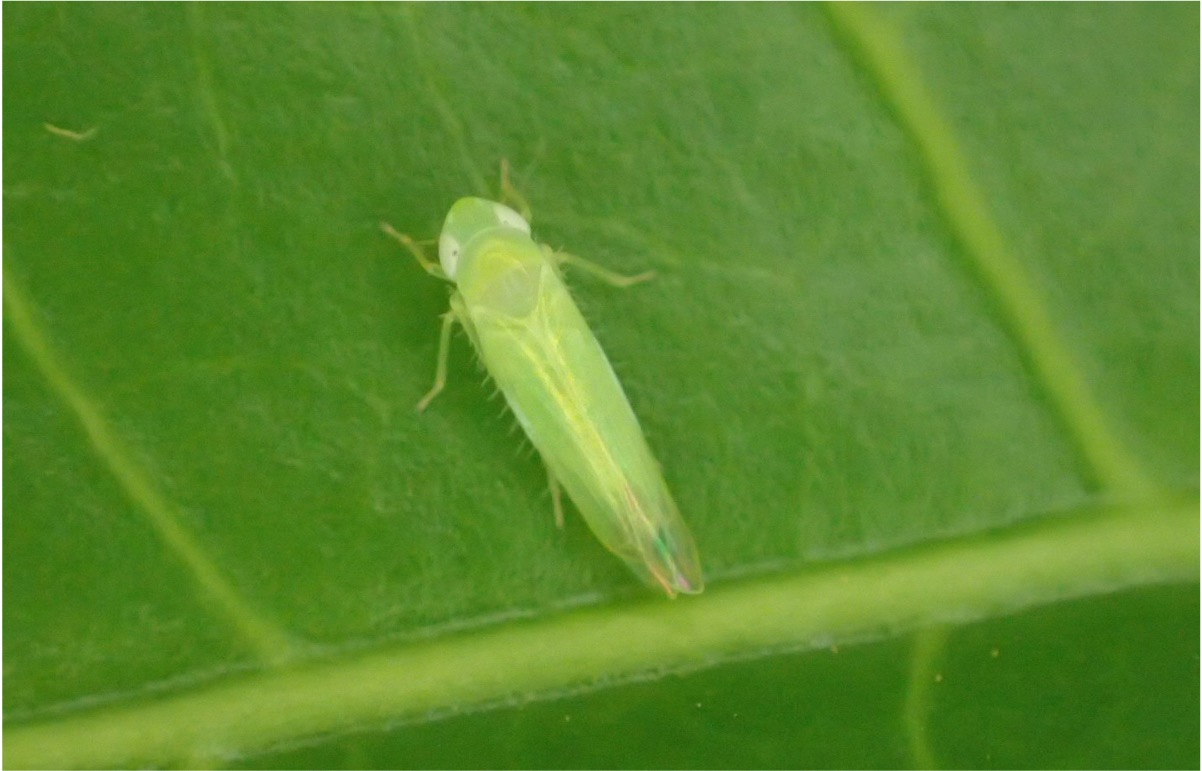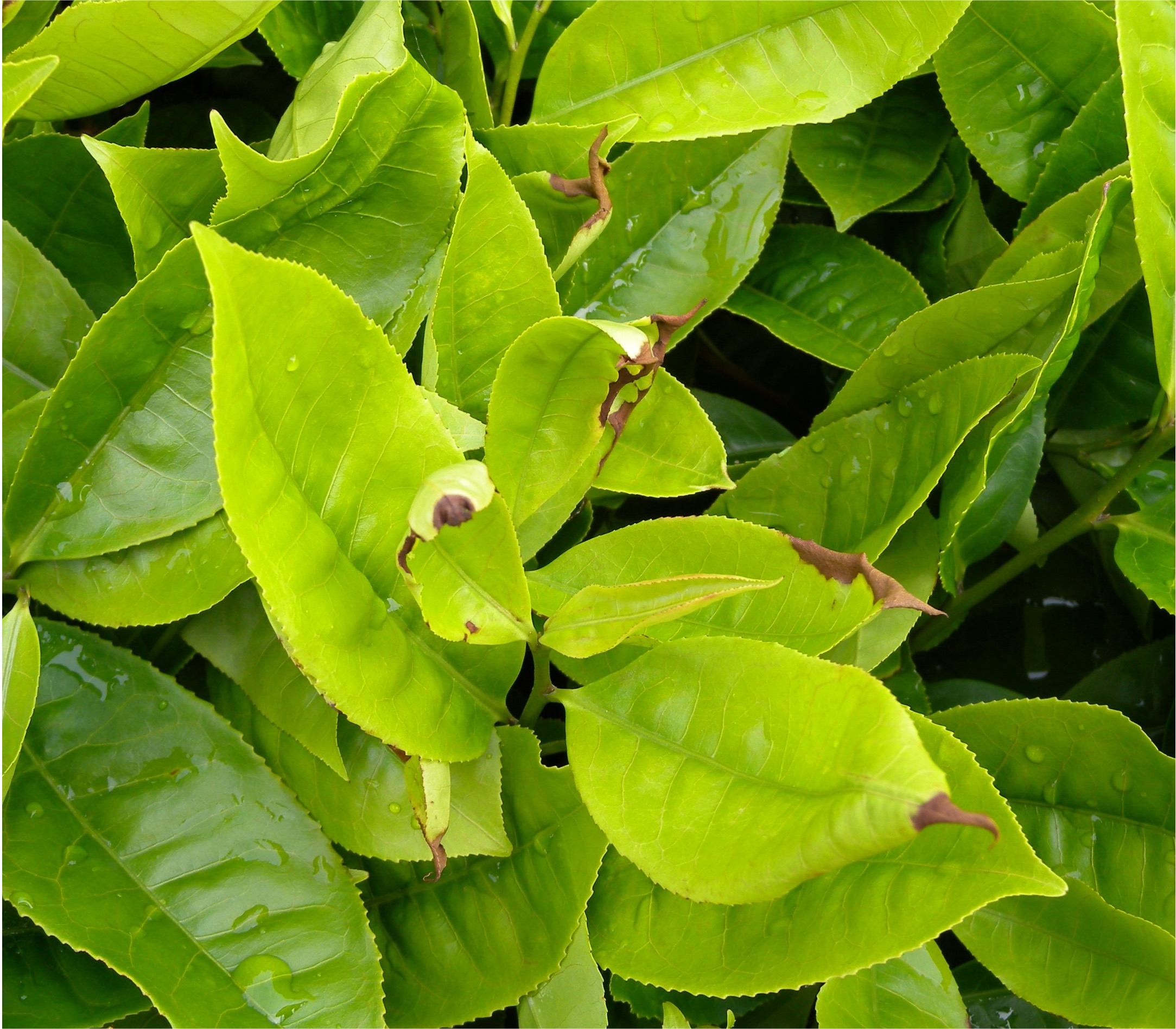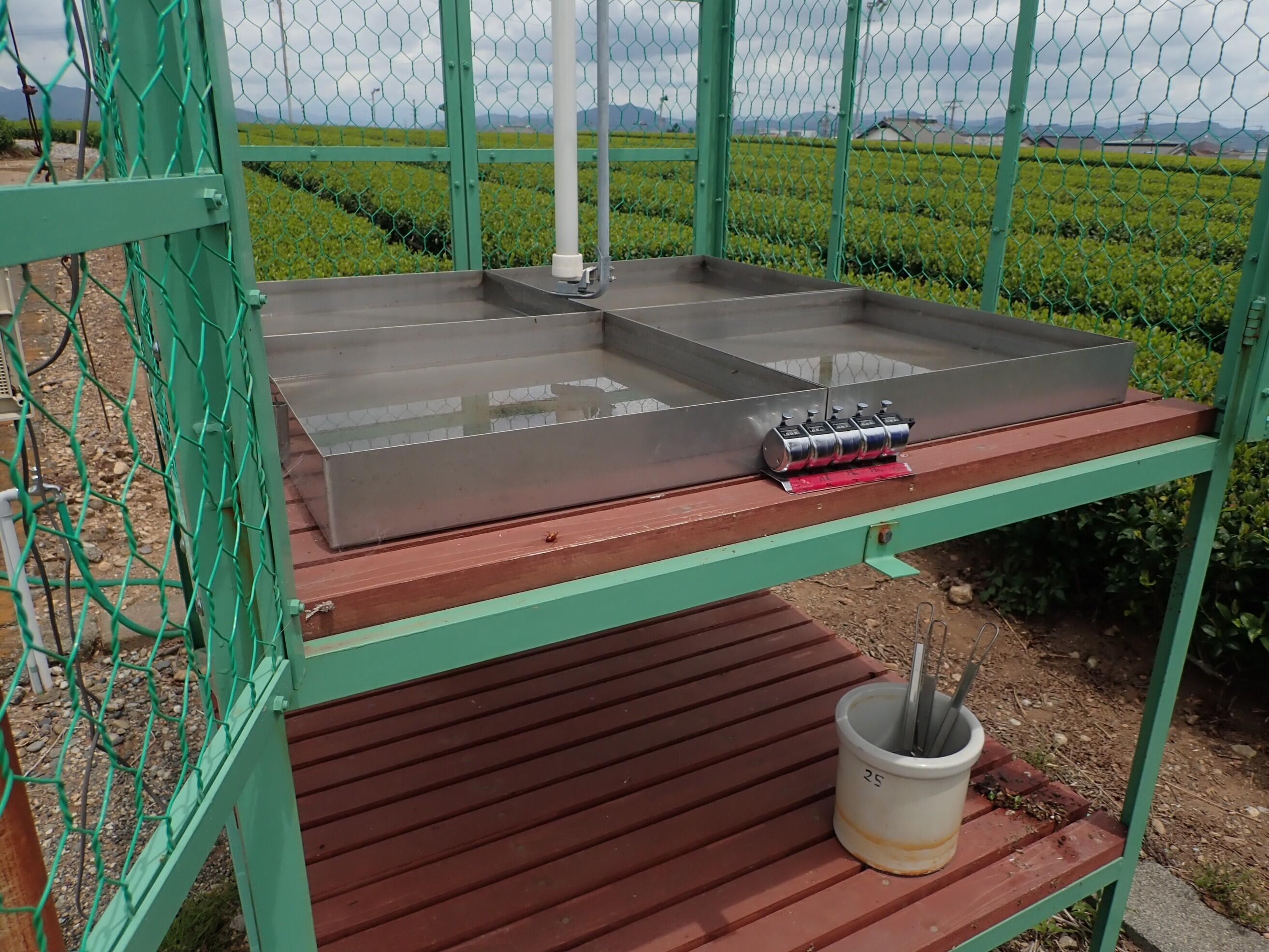
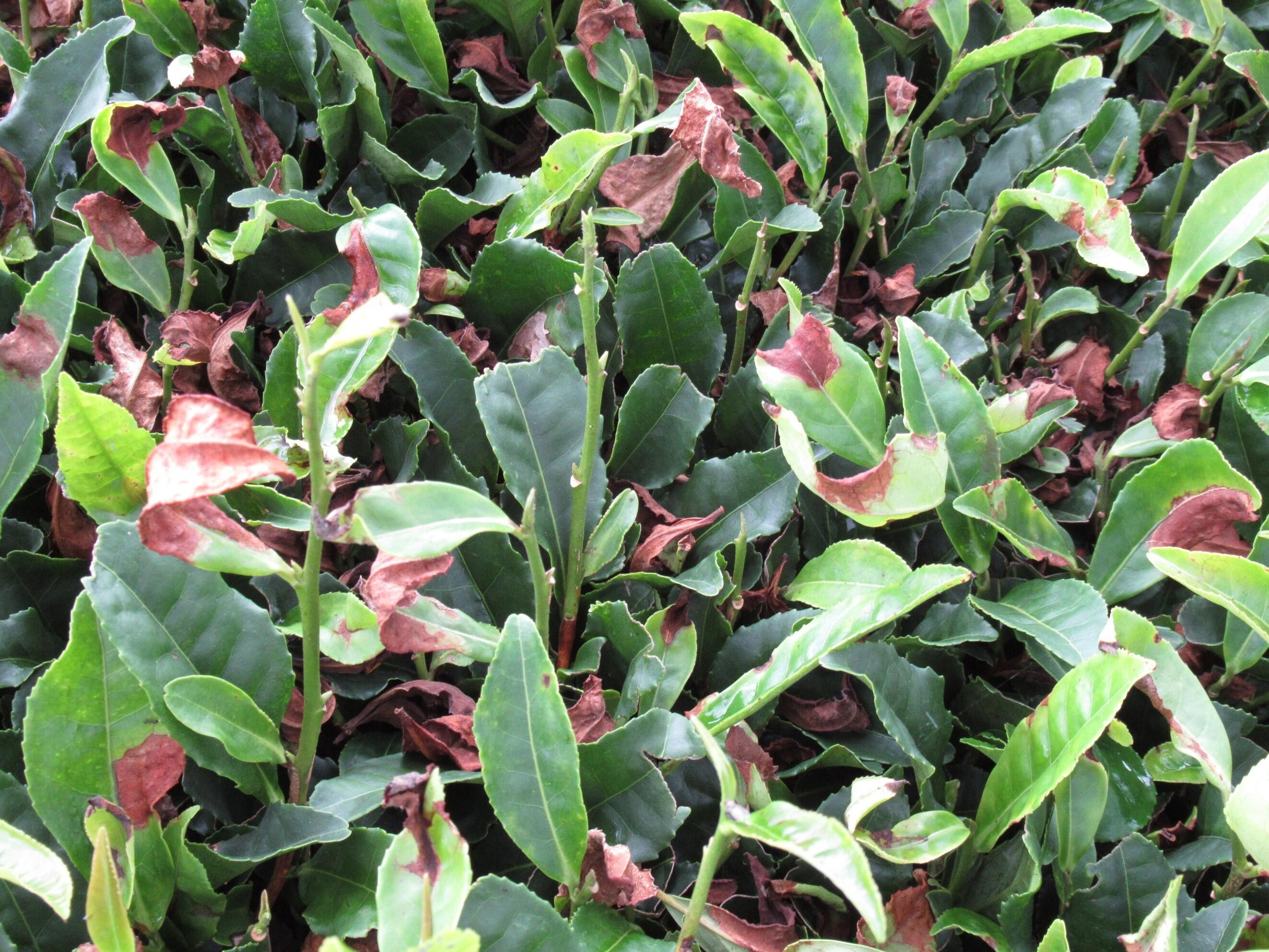
We conduct research on pest and disease management technologies aimed at achieving both stable tea production and reduced environmental impact. Focusing on the most important pests and diseases in Japan, particularly the tea green leafhopper (Jacobiasca formosana) and anthracnose, we are working to elucidate the ecology of major pests and diseases, as well as to advance forecasting and control technologies.
At the same time, we are promoting the development of pest and disease management technologies that reduce reliance on chemical pesticides. These include the evaluation and utilization of tea cultivars with multiple disease resistance, the development of cultural control methods based on pest and disease ecology, the use of natural enemies, and behavioral control technologies employing physical approaches.
Based on these research outcomes, we aim to establish integrated pest management (IPM) systems compatible with organic production and international export requirements. In collaboration with production regions and relevant organizations, we are advancing the demonstration and dissemination of these systems, thereby contributing to the sustainable production of tea and the strengthening of its international competitiveness.