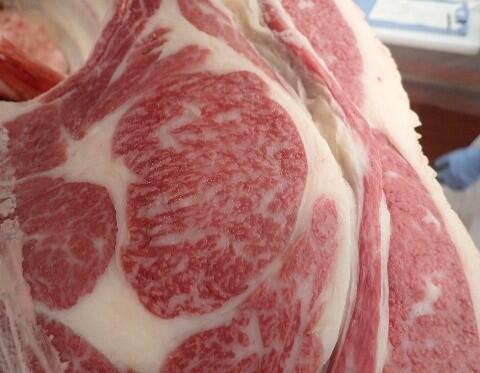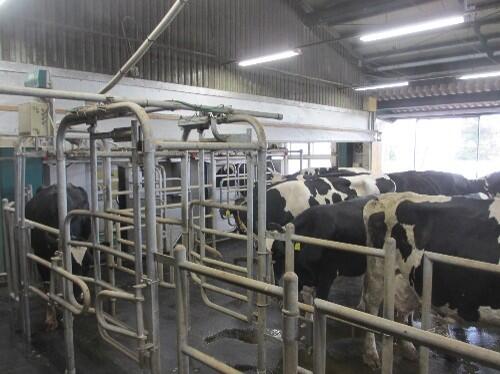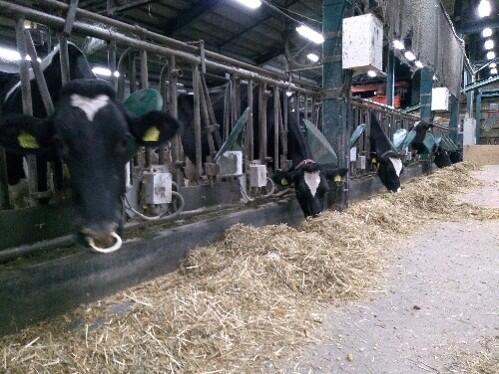
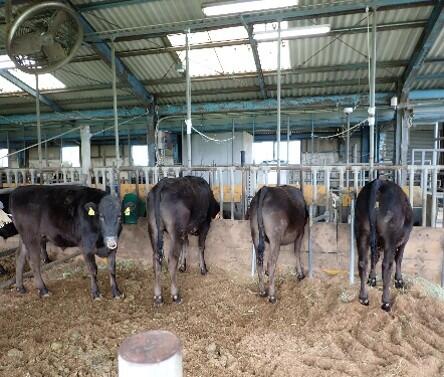
Cattle convert nutrients into livestock products such as milk and meat. Meanwhile, the ingested nutrients are not only utilized for production but also for staying alive, and are released as methane from ruminal fermentation or excreted as feces and urine. Among these, methane from ruminal fermentation, as well as methane and nitrous oxide emitted during manure management processes, constitute major sources of greenhouse gas (GHG) emissions in the agricultural sector.
Our research group aims to reduce GHG emissions and improve livestock productivity by minimizing methane production and nutrient losses through excretion, while maximizing the allocation of nutrients to milk and meat production. To achieve this goal, we are conducting research on optimizing feed composition, manipulating the rumen microbiome, and adjusting the distribution of ingested nutrients, using techniques such as the evaluation of methane emissions, analysis of ruminal microbial communities, measurement of nutrient metabolism, and assessment of the chemical composition of milk and meat.