In Japan, onion production is generally carried out using a transplanting cultivation system. Because the nursery period is relatively long, at approximately two months, and the planting density is high, at around 28,000 plants per 10 ares, substantial costs are required for facilities, machinery, and labor associated with seedling raising and transplanting. In addition, onions account for the largest share among imported fresh vegetables in Japan, and most of these imports are used for processing and commercial food services. Therefore, reducing production costs and labor time is essential for maintaining and expanding domestic onion production.
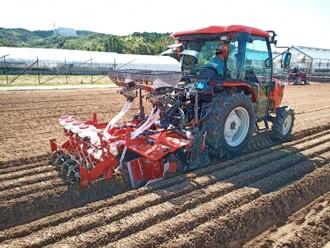
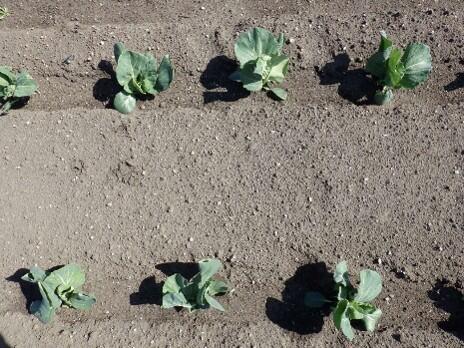
To address this issue, our research team has been working to stabilize direct seeding cultivation, which does not require seedling production. We have developed an onion seeder that incorporates the "furrow-bottom seeding technique" and the "direct phosphorus application beneath the seed," technologies developed by the National Agriculture and Food Research Organization (NARO), and are promoting its adoption. Furthermore, onion production has become increasingly unstable in recent years due to abnormal weather conditions such as drought and heavy rainfall, and we are also developing countermeasure technologies aimed at achieving stable cultivation under such conditions. In addition, we are promoting direct seeding cultivation techniques for cabbage and broccoli using the onion direct seeder.
Members
- MATSUO Kentaro (Leader)