
Agriculture in Japan is at a critical crossroads, confronted by climate change, a shrinking farming population, and growing concerns over long-term food security. Plant breeding remains one of the most powerful tools for addressing these intertwined challenges. By harnessing advanced genome editing technologies, we seek to develop next-generation agricultural crops that contribute not only to sustainable food production, but also to the creation of new industries and the strengthening of international competitiveness.
Our research focuses on the development of innovative crops that respond to the needs of consumers, industry, and policymakers. At the same time, we are committed to advancing domestically developed, high-precision genome editing technologies, thereby accelerating and expanding the possibilities of crop improvement. Research and development are carried out in close alignment with transparent communication efforts, ensuring that accurate and accessible information on genome editing technologies is widely shared with society.
In addition to food-related applications, we also explore the potential of plants—particularly rice—as platforms for non-food uses, such as the production of high-value compounds. Through these integrated efforts, we aim to broaden the role of agriculture and plant science in addressing societal challenges and supporting sustainable innovation.
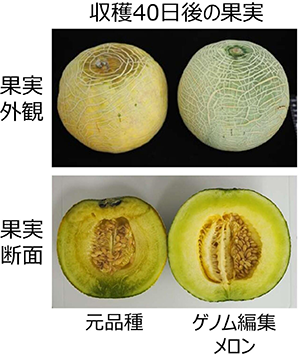
for more than a month.