Apple cultivation requires a long growing period until harvest, and a wide range of pests and diseases can cause damage, making the establishment of low-cost and efficient control technologies essential. In addition, responding to changes in pest and disease occurrence patterns associated with recent climatic changes, and developing environmentally friendly control technologies that reduce excessive reliance on chemical pesticides, have become important challenges.
Our group is engaged in the development of control technologies to address these issues, focusing on the following research areas:
- Development of reduced-pesticide control methods using disease-resistant varieties, as well as efficient pest management techniques suited to high-density cultivation systems utilizing columnar-type varieties
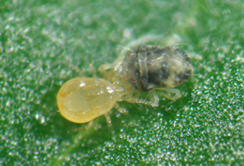
- Development of practical domestic biological control agents based on indigenous strains, along with their effective application methods, to control spider mites, which readily develop pesticide resistance and are difficult to manage
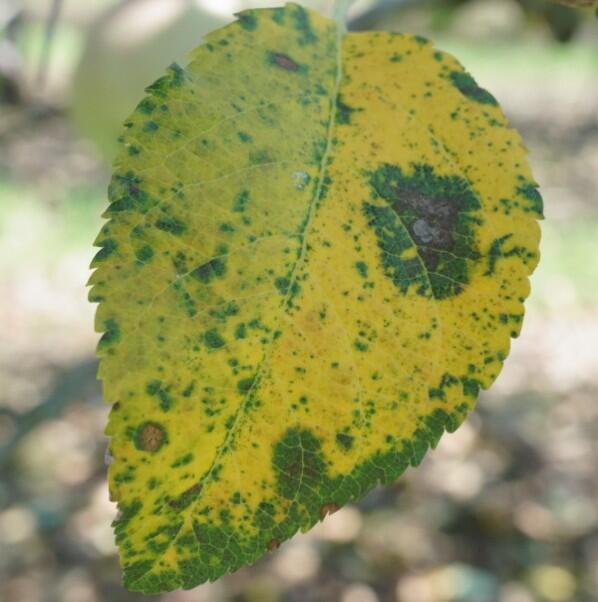
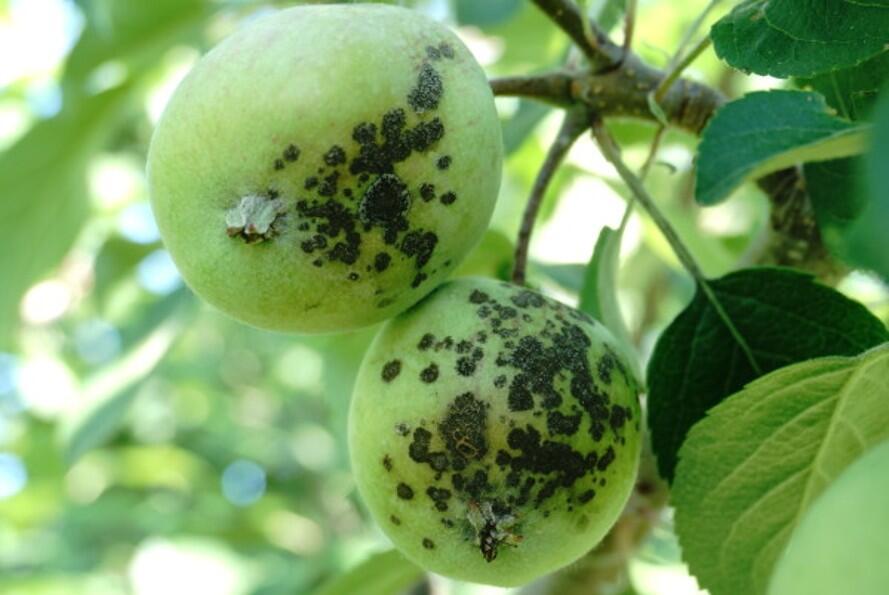
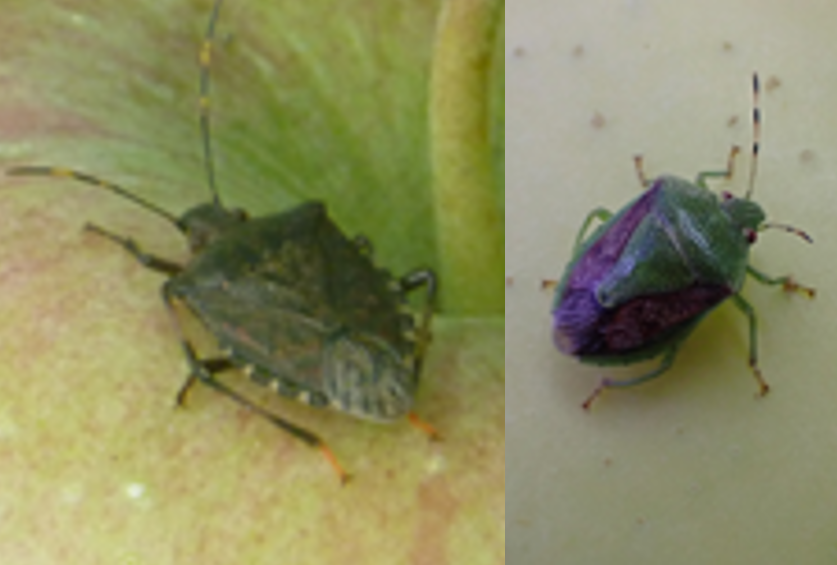
- Elucidation of changes in occurrence patterns of diseases such as brown leaf spot and apple scab, and of fruit-feeding stink bugs, along with the development of forecasting techniques to enable timely control measures