In response to the accident at the Tokyo Electric Power Company Fukushima Daiichi Nuclear Power Plant caused by the Great East Japan Earthquake in March 2011, the Agricultural Radiation Research Center was established at the Fukushima Research Station (Fukushima City) the following year, which strengthened research by the National Agriculture and Food Research Organization (NARO) on measures against radioactive substances in the affected areas. Immediately after its establishment, the Center concluded a partnership agreement with Fukushima Prefecture and has since been engaged in various research and development activities to support the resumption of farming, contributing to the recovery of agriculture in the disaster-stricken areas. Even now, however, there are situations in the affected regions where measures to reduce the transfer of radioactive cesium (137Cs), which has a relatively long half-life of 30 years, from soil to crops are necessary, and it remains essential to develop assessment and countermeasure technologies to ensure the safety of agricultural products and food. In addition, technology development to address the declining agricultural population in the affected regions is also required. As a command center for research and development tailored to the recovery status of these disaster areas, the Agricultural Radiation Research Center will continue to work in collaboration with Fukushima Prefecture and others to help accelerate the restart of farming activities.
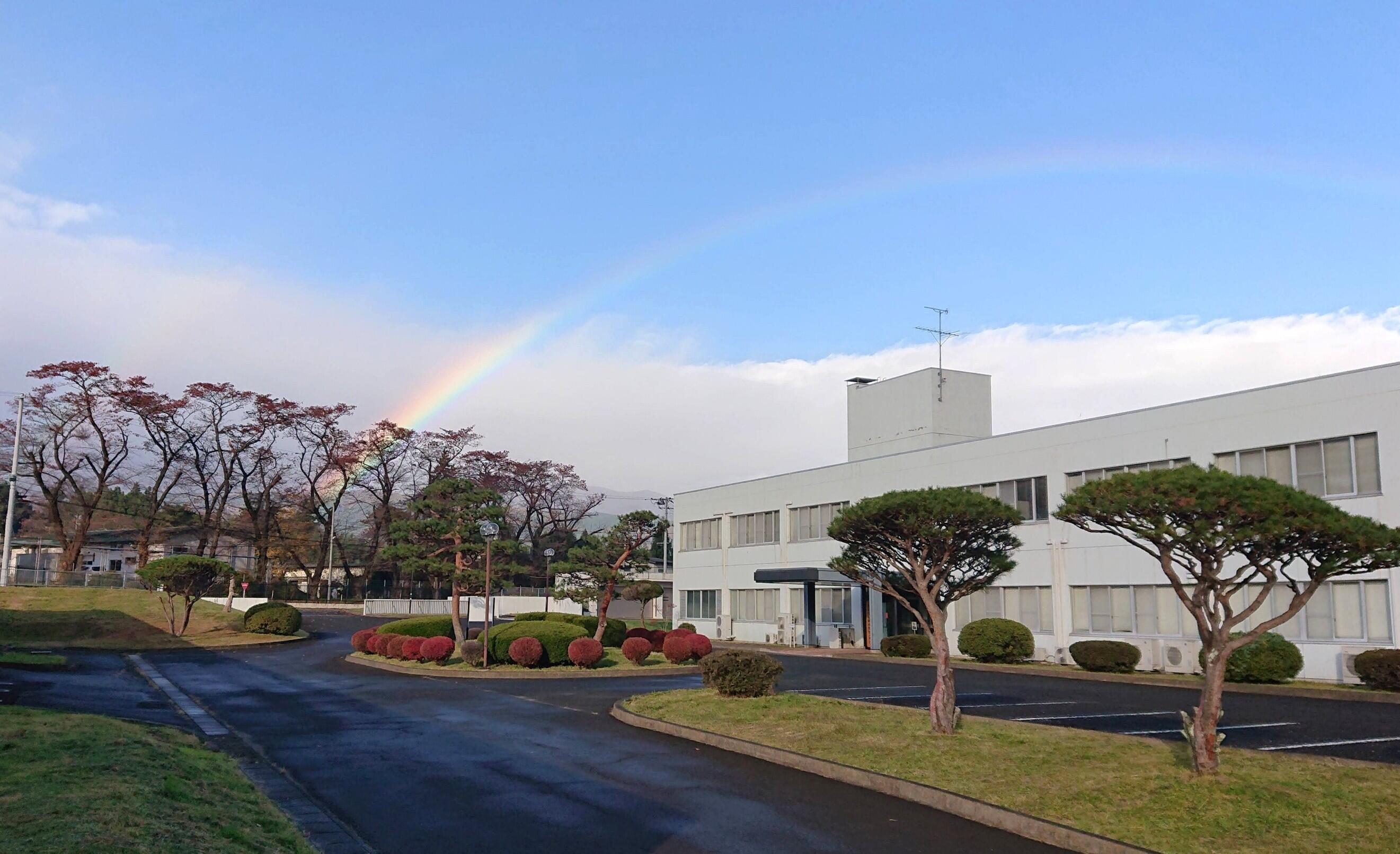
(Fukushima city)
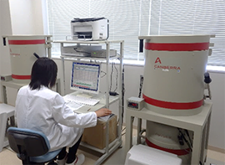
in soil and crops
(Radioactive Substance Analysis Facility)