National Health Insurance (Kokuho) is a health insurance policy that forms the core of the universal health insurance system in Japan, in which all people are obliged to take out some form of medical insurance. Foreign nationals staying for more than three months are also eligible, like Japanese nationals. The local government office where you live will handle the procedure.
If you enroll in Kokuho, you can receive medical treatment for sickness, injuries, painful teeth, or teeth cleaning, etc., by presenting your Kokuho card at the reception counter in the hospitals or dental clinics. As for the payment, you need to pay only a part of the covered medical cost (from elementary school students to 69 years old, the self-pay ratio is 30%).
Insurance premiums paid by Japanese nationals are calculated based on their income in the previous fiscal year. For foreigners, however, who are staying in Japan for the first time for more than 90 days, or for foreigners visiting Japan for "Cultural Activities" as their Status of Residence, insurance premiums are calculated at the local government office because they do not have income from the previous fiscal year in Japan. The amount varies by city or town, but in the case of Tsukuba City, the amount paid by a person with no income in the previous fiscal year is around ¥20,000 per year (as of June 2019).
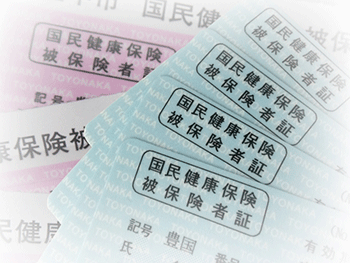
The Kokuho card should be returned to the local government's liaison office when returning to their home country, the remaining balance of the insurance premium is calculated, and withdrawal procedures are carried out.