NARO welcomes international researchers for research and study in Japan. Here is an introductory guideline for international researchers who have been accepted to pursue research at the Tsukuba campus of NARO including procedures for entering and residing in Japan.
Immigration procedures before coming to Japan
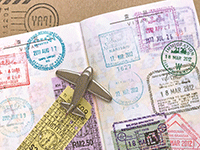
After receiving an official notice of acceptance from NARO, international researchers will need the following documents:
& Visa
of Eligibility
reservation
insurance(optional)
license(optional)
 |
 |
 |
 |
|
| MOFA: VISA to Japan |
MOJ: Immigration |
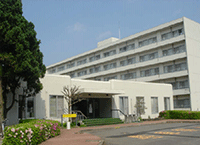
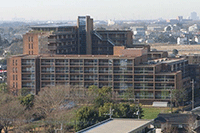
Tsukuba International
House / JST Foreign Residence for Researchers |
||
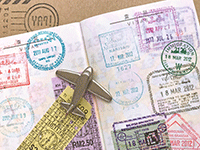
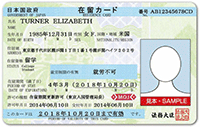
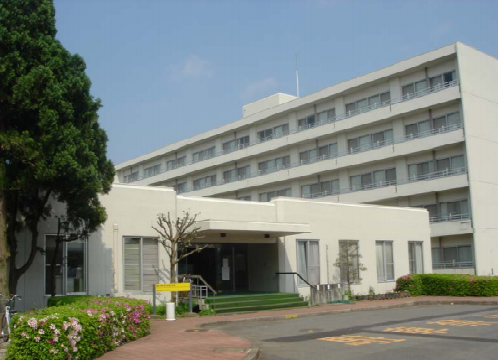
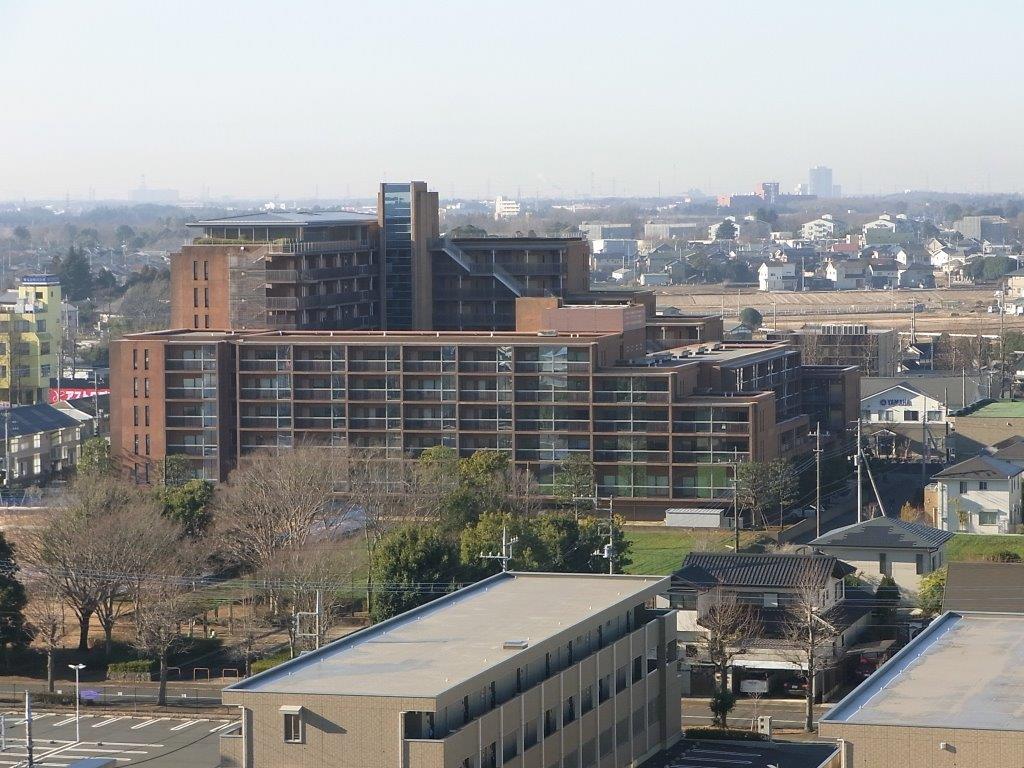
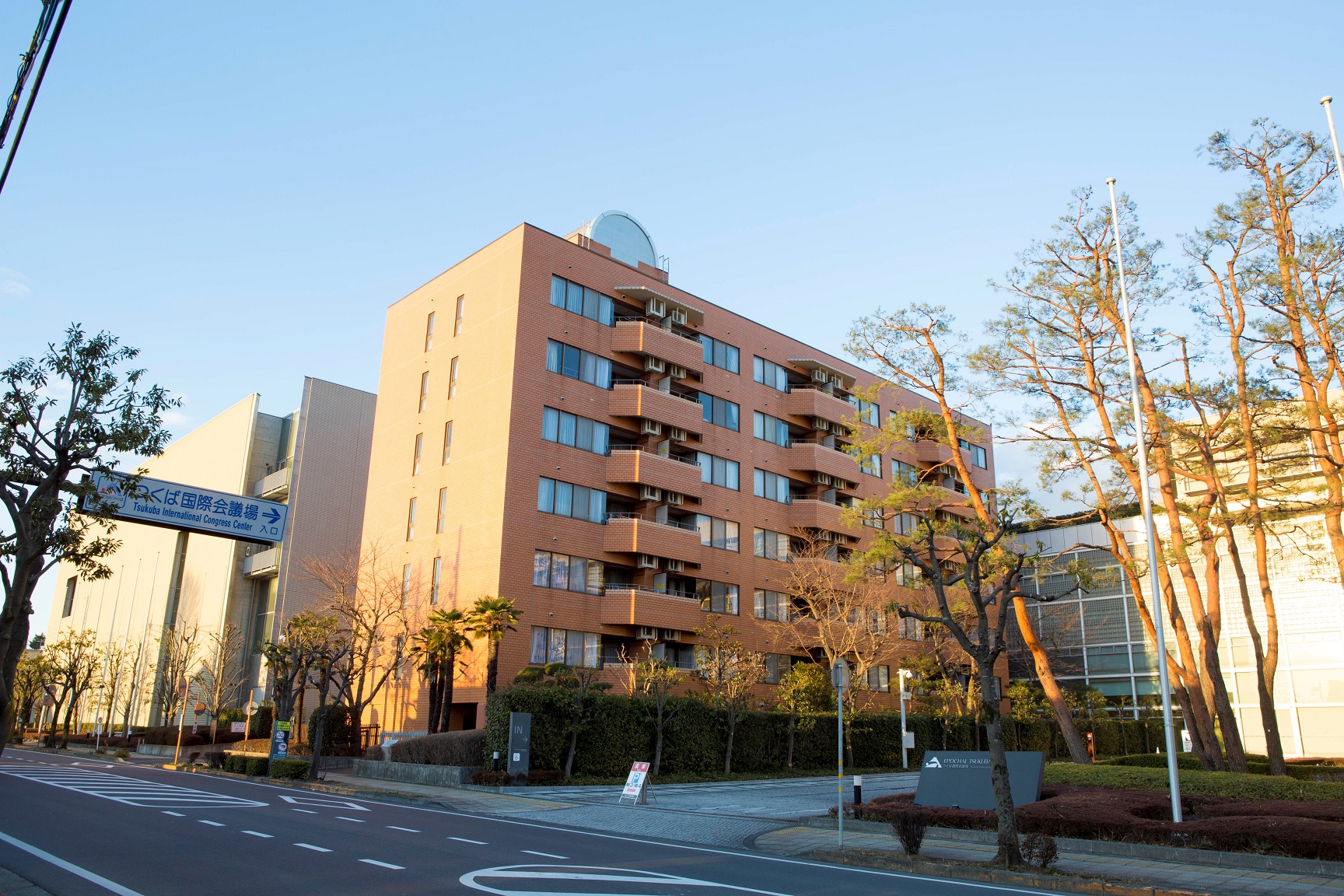
Certificate of Eligibility for visa application
A visa will be issued by the Japanese embassy or consulate in the country of the researcher (please refer to MOFA: VISA to Japan, in the table above). A Certificate of Eligibility (COE) is generally required for a visa application. Upon submission of the COE and other supporting documents to the Japanese embassy or consulate, the visa will generally be issued within 5 business days.
Before the international researcher applies for a visa, NARO makes the application for a COE to the Japan Immigration Bureau for a COE on behalf of the international researcher. Several documents will be requested from the international researcher to facilitate the application. Upon approval, the COE will be sent to the international researcher through NARO. Since the entire procedure at the Japan Immigration Bureau for the COE may vary from one to three months including the mailing of documents, sufficient time must be allotted to meet the target date of arrival in Japan.
Arrival at airport & Access to NARO
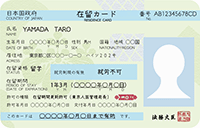
A valid passport with a valid visa affixed, the Certificate of Eligibility, and the embarkation and disembarkation card must be submitted to the immigration officer, and personal identification data (fingerprints and facial photographs) will be taken. For international researchers with a Certificate of Eligibility, a Residence Card will be issued at immigration offices at seven international airports in Japan including Narita. After the process of Immigration and Custom clearance, smart phone connection/contracts, plug adapters, bus/train schedules, currency exchange, etc. can be checked at the airport arrival lobby, if necessary.
|
Arrival Lobby |
 |
Smartphone |
Locations | |
Train JR TX |
Express bus for tsukuba Timetable |
 Welcome to NARO |
Plug Adapters |
Locations | Express bus  |

|
Arrival Lobby |
|
Smartphone |
Terminal 1 Terminal 2 |
| Conversion Plug |
Terminal 1 Terminal 2 |
|
Train JR TX |
Express bus for tsukuba Timetable |
Welcome to NARO |
| Express bus |
Starting research life at NARO
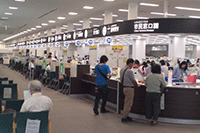
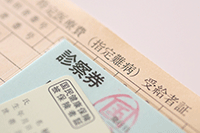
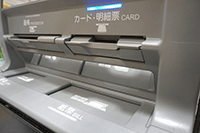
International researchers with a permit to stay more than three months in Japan need to submit a "Moving-in Notification" and enroll in "National Health Insurance" at a local city office within 14 days. and procedures for opening a bank account are also necessary. If the researchers contact an agent to rent private apartments, it is also necessary to contact public utilities for the provision of electricity, water, or gas, etc. Please take note that rental housing is usually unfurnished in Japan.
 |
 |
 |
 |
 |
| Moving-in notification | National Health Insurance | Sumitomo Mitsui Banking Corporation | Medical care & Hospital | Tax treaty |
Living in Japan: Daily Life Information
Many organizations such as local governments and public service corporations provide living support for international residents.
 |
 |
 |
 |
 |
| International Relations | School & Education | Child Raising | Local Transportation | Sightseeing |
Before leaving: Moving-out・Closing・Moving
When leaving Japan, international researchers must carry out procedures for closing their bank account, submitting a moving-out notification, and returning their National Health Insurance card at the city office. When moving out of their apartment, all utility services, such as electricity, water, gas, or NHK, should be canceled and terminated accordingly. Please note that furniture and electrical appliances must be removed as well.