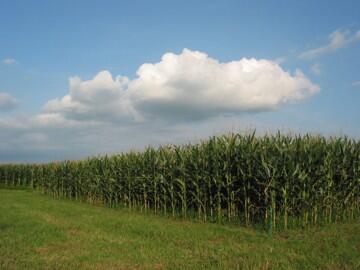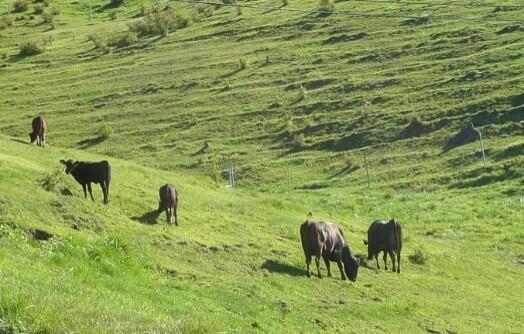
In recent years, Japan's feed self-sufficiency rate has remained at a low level of 25%-28%. Against a backdrop in which global food production and supply have become increasingly unstable due to the growing frequency of climate change-related extreme weather events and heightened geopolitical risks, improving Japan's feed self-sufficiency rate has become an urgent priority. In parallel, Japan's livestock sector is experiencing a marked decline and an aging workforce, resulting in strong demand for the development and widespread adoption of labor-saving technologies for feed production and grazing management that effectively leverage ICT. Accordingly, within this research domain, we seek to ensure a stable supply of domestically produced feed under conditions of climate change by: breeding leading new varieties of forage crops with enhanced climate adaptability; developing labor-saving, high-yield forage production technologies and high-quality forage processing and preparation technologies through the application of smart technologies; and developing productivity-enhancement technologies for large-scale grasslands that are based on land conditions and other relevant factors. As specific targets, we will establish a stable, high-yield production system that increases yields of corn and pasture grasses by 5% through: (1) the development of waterlogging-tolerant F1 silage-corn hybrids; (2) the establishment of high-yield cropping systems suited to warming conditions; (3) the development of labor-saving smart field-operation technologies; and (4) the development of a decision-support system to improve productivity in large-scale grasslands.